

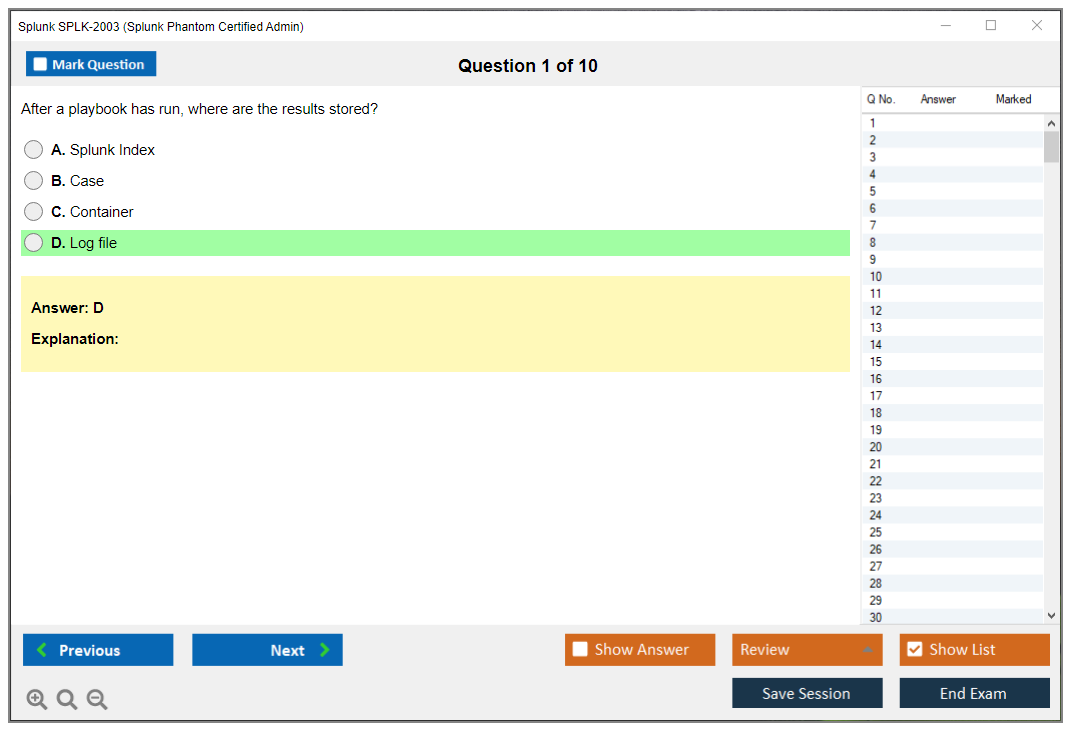
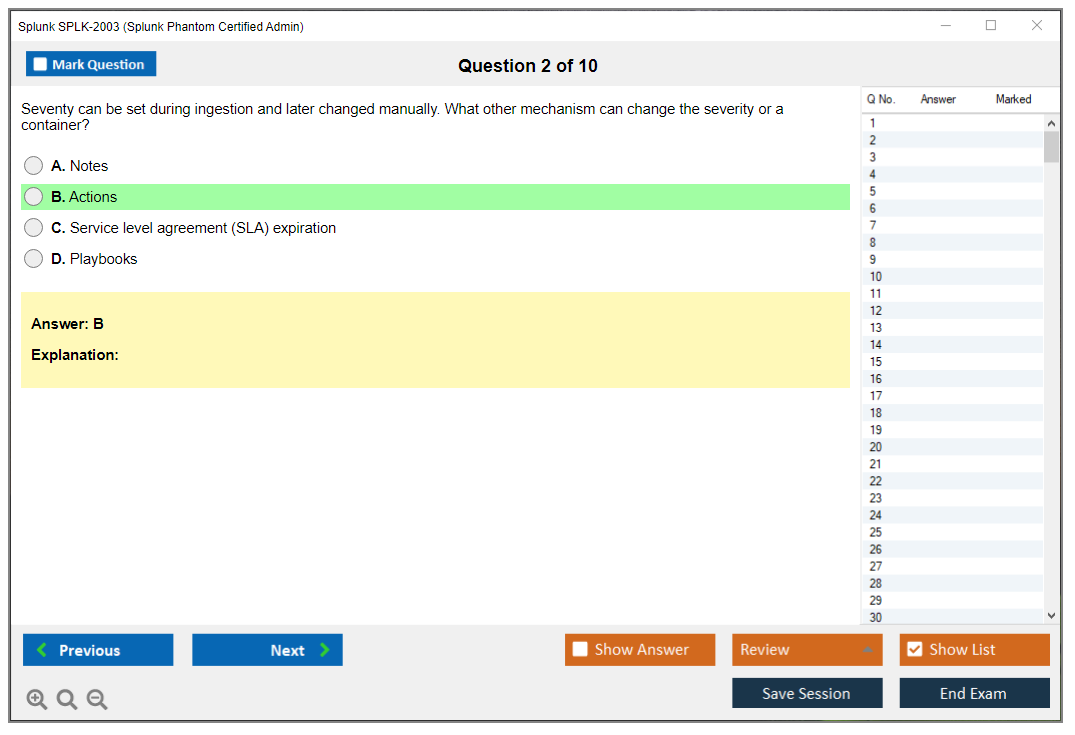
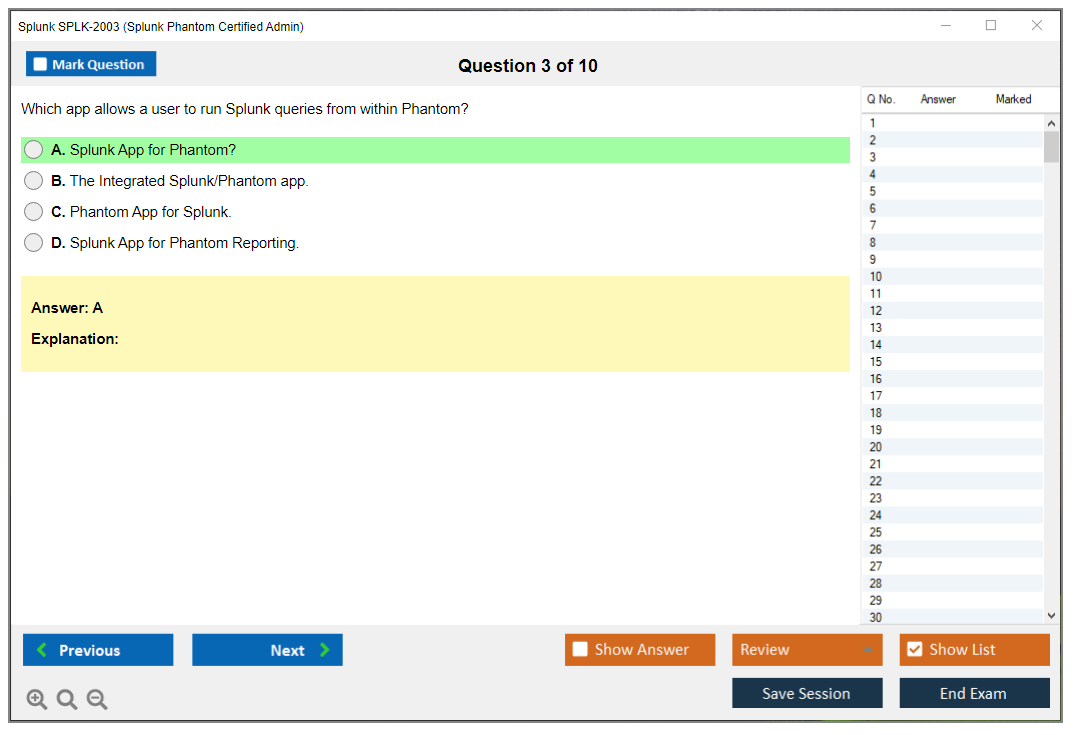
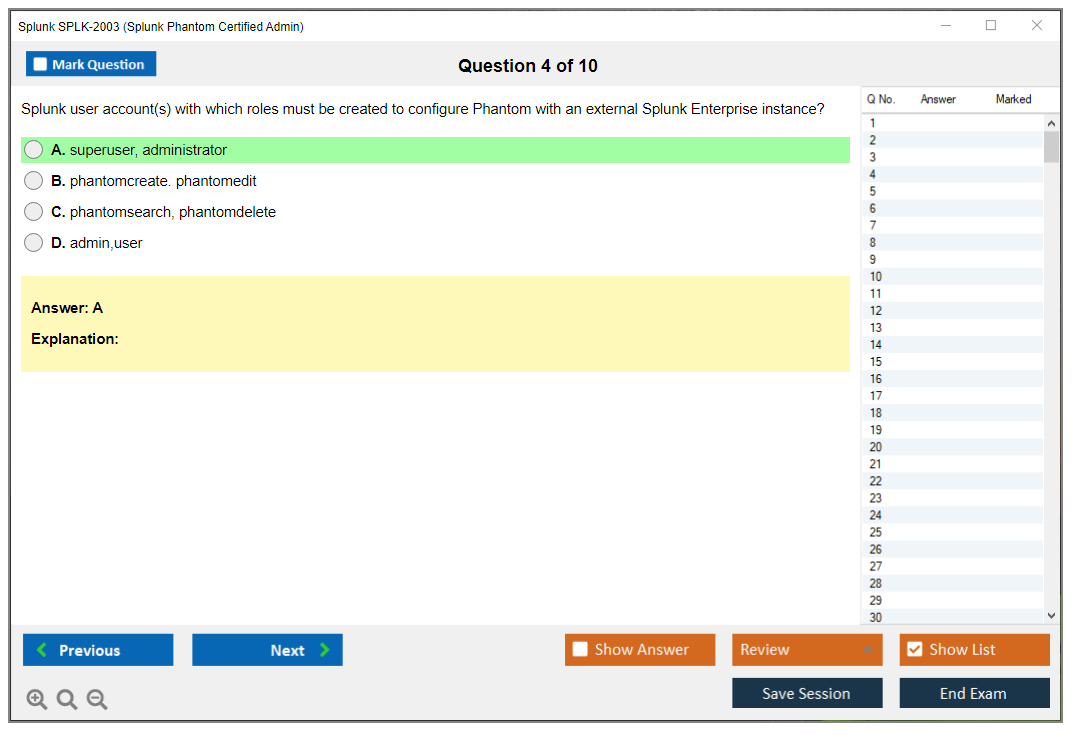
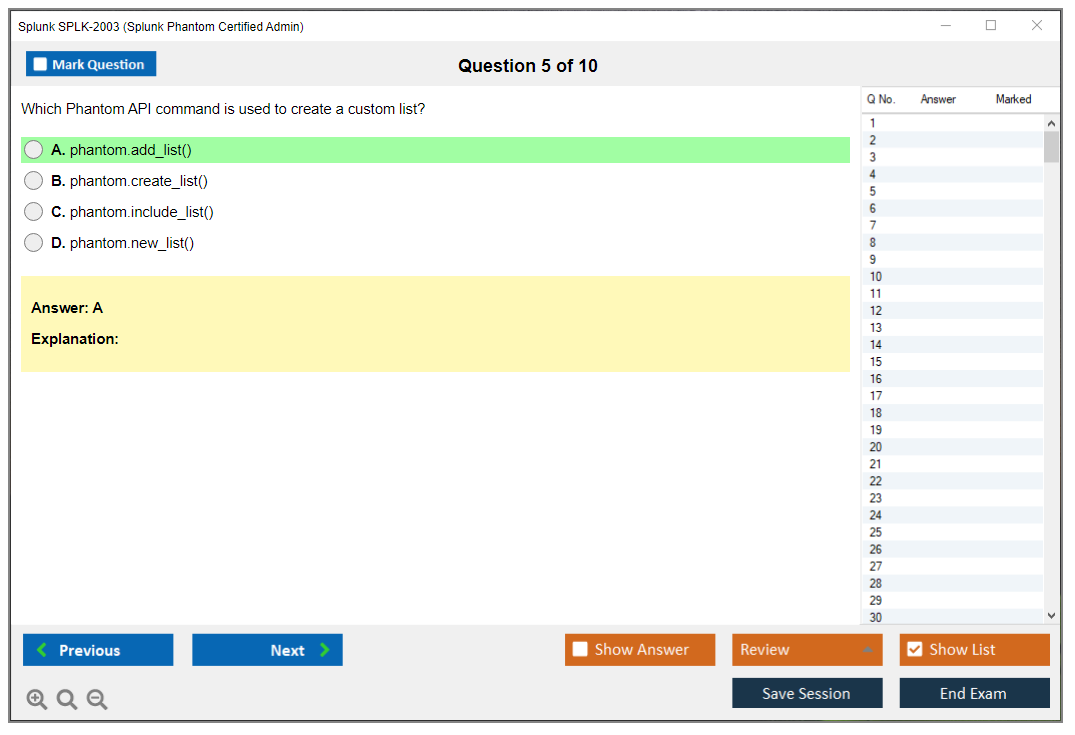
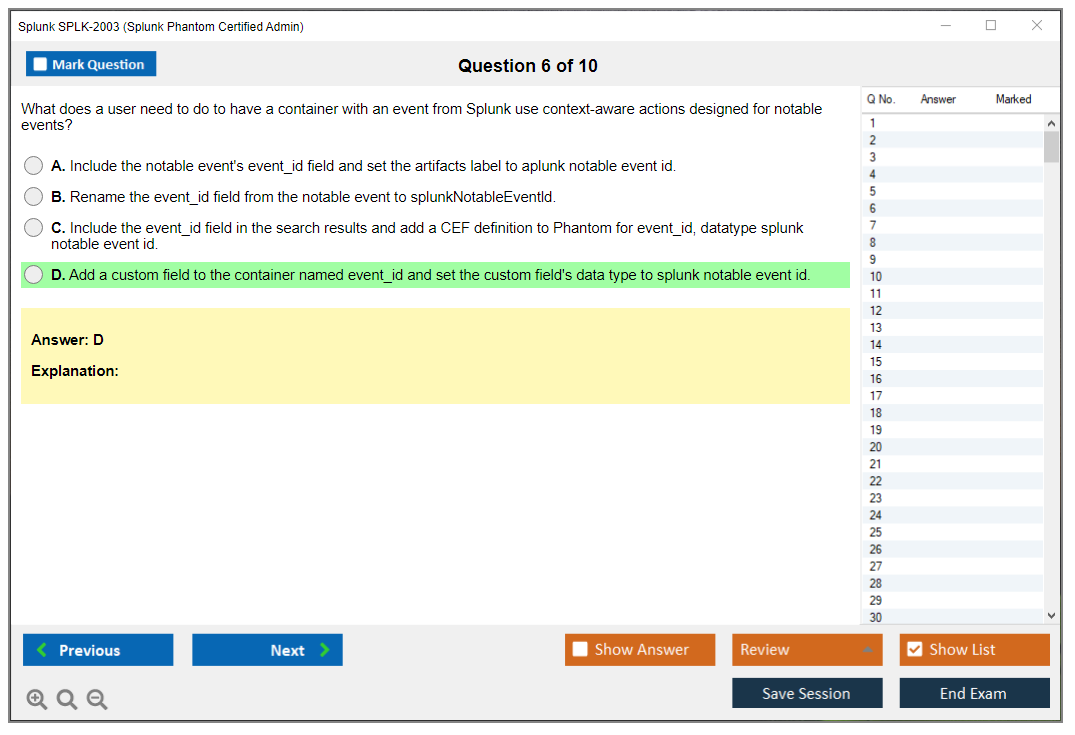
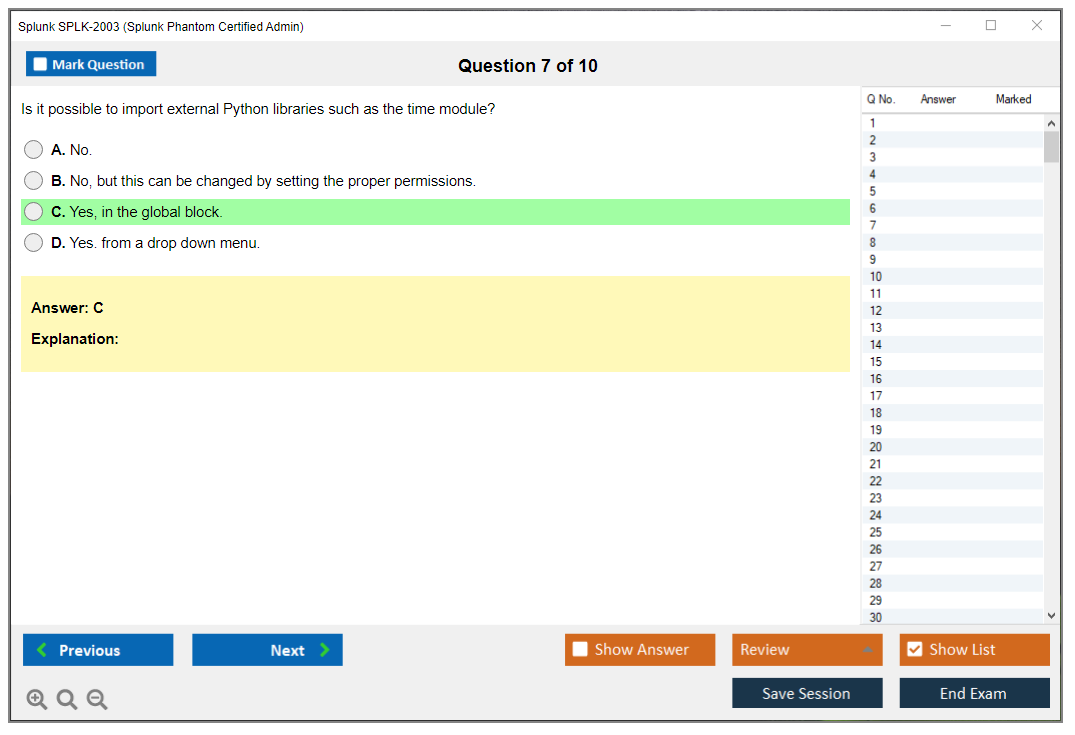
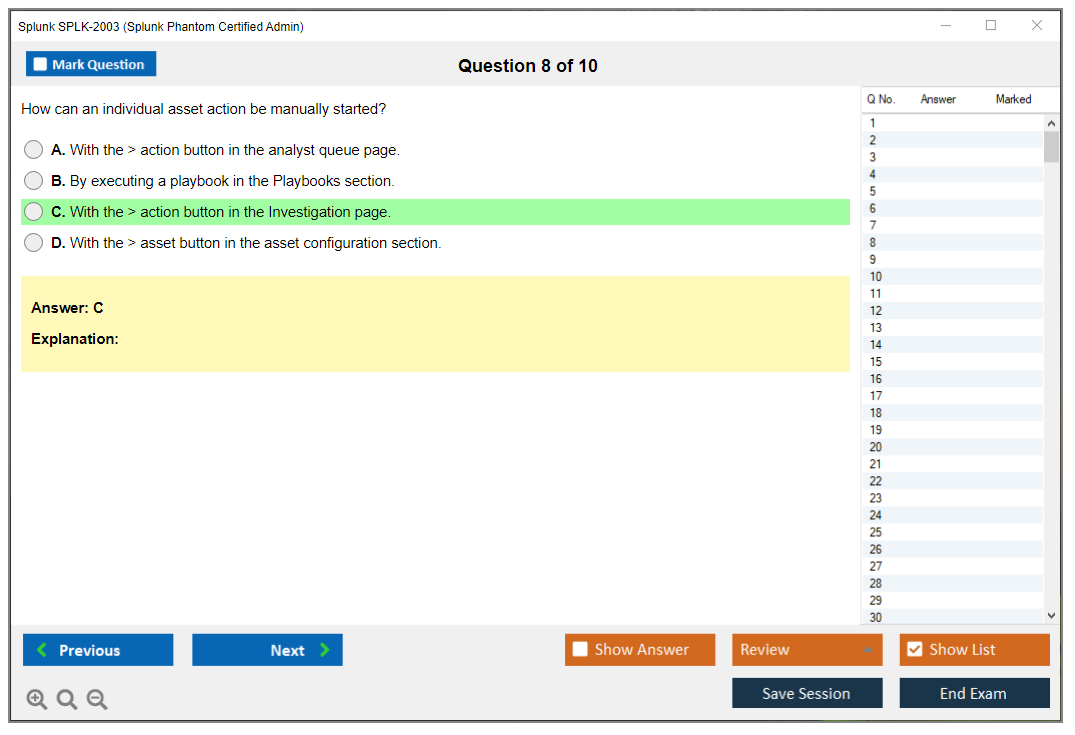
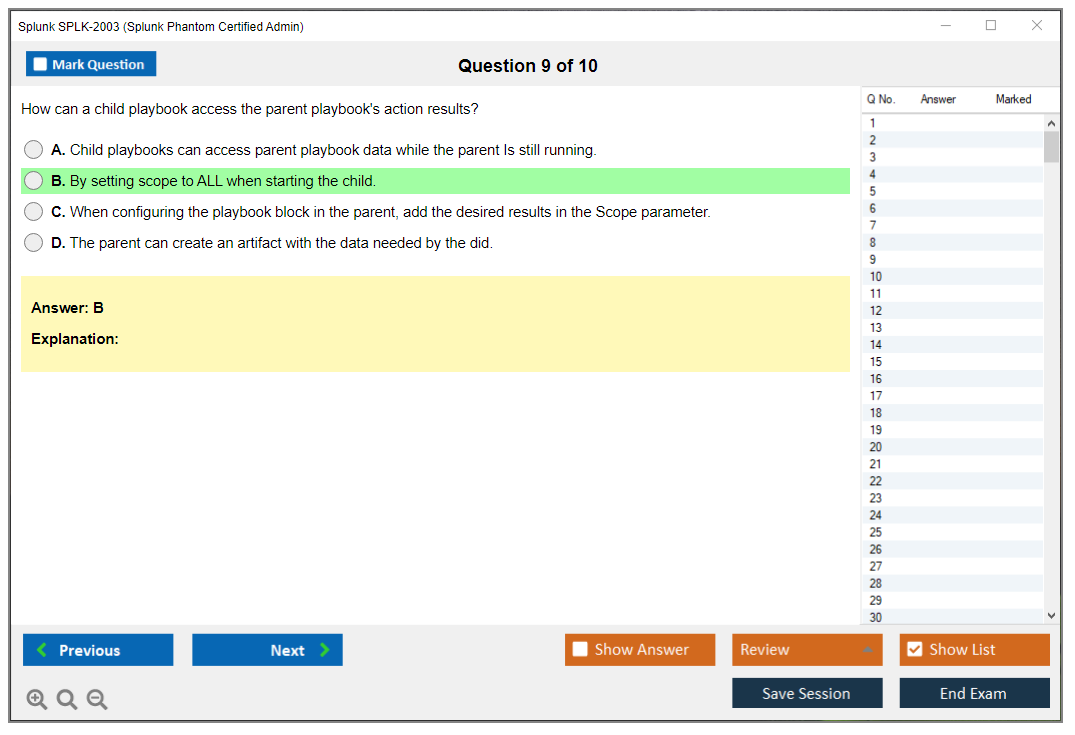
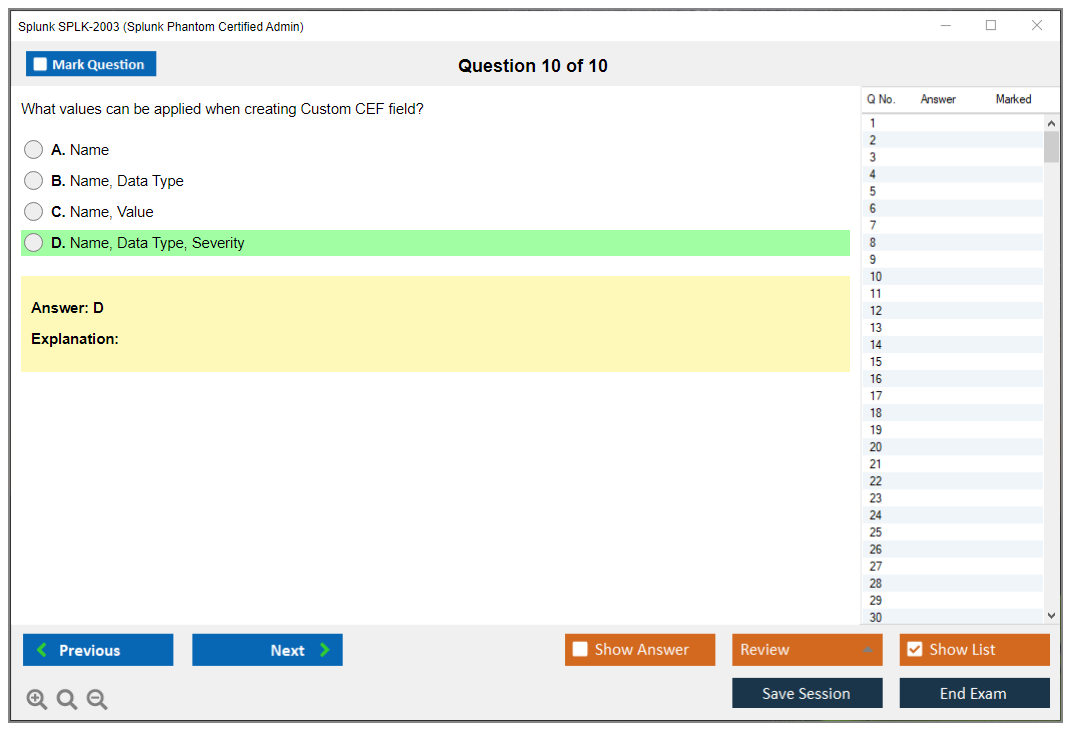
What is the Splunk SPLK-2003 (Splunk SOAR Certified Automation Developer) Exam?
If you work in security operations or incident response, you've probably heard people talking about SOAR platforms. The Splunk SPLK-2003 exam is Splunk's way of certifying that you actually know how to build automation workflows in their SOAR product, which used to be called Phantom before Splunk acquired it. This isn't one of those surface-level certs where you memorize some concepts and call it a day. It's hands-on, practical, and focused on whether you can actually develop working playbooks and integrations that don't break the moment you deploy them to production.
Why security automation skills matter right now
Security teams are drowning. Alerts everywhere. The average SOC analyst gets hundreds of notifications daily, and there's just no way to manually investigate everything without losing your mind or burning out in six months. That's where SOAR comes in. It automates repetitive tasks, orchestrates responses across multiple tools, and basically makes it possible for three people to do the work that used to require ten. The SPLK-2003 certification proves you can build those automations, not just click around a GUI. You're writing Python code. Working with REST APIs. Debugging playbooks when they break at 2 AM. Real stuff.
For security engineers, SOC analysts moving into automation roles, and DevSecOps folks, this cert shows you understand the technical side of security orchestration. Companies are actively looking for people who can customize SOAR platforms because the out-of-box stuff never quite fits their environment. There's always edge cases. I once watched a team spend three weeks trying to force a vendor playbook to work with their ticket system before they just scrapped it and built their own.
Who actually needs this certification
The target audience is pretty specific. Security automation specialists who build playbooks daily. Incident response engineers who want to automate their runbooks instead of copying commands from a wiki at 3 AM during an active breach. SOAR platform administrators who need to manage integrations and custom functions. Python developers working in cybersecurity who want to formalize their SOAR knowledge.
I've seen folks from all these backgrounds take the exam, and the variety of their journeys is interesting. Some come from a security background and picked up Python along the way. Others are developers who moved into security tooling. Either path works, but you need both the security context and the coding chops to really succeed with SPLK-2003.
What the exam actually validates
Real capabilities. The certification tests your ability to develop and customize automation workflows within Splunk SOAR. We're talking playbook development from scratch. Integrating third-party security tools through apps and connectors. Creating custom functions when the built-in actions don't cut it. Optimizing automation workflows so they don't take forever to run and slow down your entire incident response.
You'll work with Splunk SOAR's REST API for programmatic access. You'll write Python scripts to handle edge cases. Asset configuration and connector setup. Playbook debugging when something fails silently and you're staring at logs trying to figure out what went wrong. That's half the job. Testing automation logic before deploying it to production where it might actually block a real threat.
The exam covers real-world scenarios. Automating threat detection workflows. Building incident response playbooks that pull data from five different sources, each with their own quirky API. Vulnerability management automation and general security operations orchestration. Not theoretical "what would you do" questions but actual development tasks.
How this fits with other Splunk certifications
Within Splunk's certification framework, SPLK-2003 is specialized. It's not a prerequisite for anything else, and nothing is technically required before taking it. But having experience with Splunk Core Certified User concepts helps because you understand how Splunk thinks about data. Some folks pair it with Splunk Enterprise Security Certified Admin since ES and SOAR integrate heavily in many environments.
It's different from the Splunk Certified Developer exam which focuses on Splunk Enterprise app development. SPLK-2003 is all about security automation, not building dashboards or search commands. The Python scripting overlaps a bit, but the context is completely different. You're solving security problems, not data visualization challenges.
Career impact and market demand
Certified SOAR developers are in demand right now. Security automation is no longer a nice-to-have but how modern SOCs function. Companies running Splunk SOAR need people who can actually build and maintain their automation, not just the folks who installed it once and walked away.
The certification differentiates you in job searches. When a hiring manager sees SPLK-2003 on a resume, they know you've done more than attend a vendor webinar. You've proven you can work with playbook debugging and testing, handle asset configuration and connectors in Splunk SOAR, write Python scripting for automation that actually solves problems instead of creating new ones.
For career trajectory, this opens doors to senior security automation roles, SOAR architect positions, and consulting gigs where you help organizations build their automation programs from the ground up. I've seen people use it to move from tier-2 SOC analyst to automation engineer, which usually comes with a nice pay bump and way more interesting work.
Integration with broader security workflows
SOAR doesn't exist in isolation. It pulls data from SIEM platforms like Splunk Enterprise or Splunk Cloud, queries threat intelligence feeds, triggers actions in firewalls and EDR tools, orchestrates responses across your entire security stack. The SPLK-2003 exam validates you understand these integrations, not just the SOAR platform itself sitting in a vacuum.
You're working with Phantom (Splunk SOAR) app development, building custom connectors when the marketplace doesn't have what you need. Understanding how containers and artifacts work. Knowing when to use synchronous versus asynchronous actions in a playbook because getting that wrong can tank your entire automation workflow.
The hands-on nature of this exam is what makes it valuable. You're not just answering multiple choice questions about what a playbook does. You're expected to know how to build one that actually works when the alert comes in at midnight and everyone's looking at your automation to save the day.
SPLK-2003 Exam Overview: Format, Cost, and Passing Requirements
The Splunk SPLK-2003 exam is what folks grab when they're already neck-deep in Splunk SOAR (Phantom) and need credentials proving they can actually build automation, not just poke around the UI. It's officially the Splunk SOAR Certified Automation Developer exam, and honestly, it lines up with real work like playbook debugging and testing, Phantom (Splunk SOAR) app development concepts, and wiring up assets, actions, and connectors in Splunk SOAR without turning your production instance into some kind of experimental disaster zone.
You're not here for trivia memorization. Ship playbooks. Keep them running, too.
Who this certification is for
This cert fits SOAR developers, security automation engineers, and SOC folks who got voluntold into that classic "make the playbook smarter" work (we've all been there, right?). If you're the person editing Python scripting for Splunk SOAR, poking at the Splunk SOAR REST API and automation, or trying to figure out why an action failed at 2 a.m. during an actual incident, you're exactly the target audience here.
Look, if you've only watched demos, this exam's gonna feel mean.
Skills it validates
Expect emphasis on playbook development certification level skills: building and chaining actions, handling artifacts, using custom functions, dealing with data paths, making automation logic reliable under messy real-world inputs that never behave like the documentation promises. Scenario prompts show up constantly, because SOAR work is basically "given this incident mess, what should the automation do next" over and over.
Exam format, question types, and duration
Splunk formats can shift around, so treat this as the common current pattern for proctored Splunk exams, not some forever promise that'll never change. SPLK-2003 is typically a timed, proctored exam with around 60 to 70 questions in 90 to 120 minutes, mostly multiple choice and multiple select, plus scenario-based questions that read exactly like mini incident tickets someone dumped on your desk.
Hands-on simulation components? Sometimes. Not always. The thing is, Splunk has leaned more toward scenario logic than full lab sims in many tracks lately, but SPLK-2003 candidates do report questions that "feel like a lab" where you mentally execute a playbook, trace a data path, or decide the right connector/action behavior without actually clicking anything.
Time math matters here. If you get 90 minutes for 60 questions, that's 1.5 minutes per question. If it's 120 minutes for 70, you're at about 1.7 minutes. My advice? Plan for around 75 seconds on easy recall, 2 minutes on scenarios, and mark anything gnarly for a second pass. Don't get stuck arguing with yourself on question 12 for six minutes. I learned that one the hard way once on a different cert when I burned twelve minutes debating between two answers that were both probably wrong anyway.
SPLK-2003 exam cost (2026) and regional pricing
The SPLK-2003 exam cost is set by Splunk and can vary by country due to taxes and currency conversion (which is annoying, I mean, but that's how it works). As of 2026, many Splunk proctored professional exams commonly price around USD $130 to $160, but you'll see different totals at checkout in EMEA/APAC once VAT or local taxes get applied to your invoice.
Pricing updates happen. Quietly. So before you expense it or drop your own cash, verify on Splunk's certification portal and the specific SPLK-2003 listing to avoid sticker shock.
Official references (verify current numbers):
- Splunk Certifications portal and exam listing: https://www.splunk.com/en_us/training/certification-track.html
- Splunk certification policies (retakes, IDs, delivery rules): https://www.splunk.com/en_us/training/certification.html
Paying for it and buying vouchers
Payment methods depend on the portal flow, but typically you can pay by credit or debit card during scheduling, or use a voucher code purchased through Splunk (or provided by training bundles, employers, or promos that actually save you money). Some orgs buy in bulk, hand you a code, and you just apply it at checkout without ever seeing a credit card form.
The clean path is: sign in to the certification portal, pick the exam, choose delivery method, then either pay directly or enter the voucher and move on.
Passing score and how scoring works
Splunk usually does scaled scoring on many exams, not a simple percentage you can calculate yourself on scratch paper, and they don't always publish the exact SPLK-2003 passing score publicly where you can just Google it. Candidates often see a pass/fail result plus domain performance feedback rather than "you got 47/60" displayed anywhere useful.
So what is the SPLK-2003 passing score? Honestly? You should treat it as "unknown, scaled, and not worth gaming or obsessing over." Focus on covering the SPLK-2003 exam objectives thoroughly and being fast on scenario questions that eat your time.
Delivery options: online proctoring vs test center
You'll generally have two options: remote online proctoring or a testing center, depending on your region and vendor availability where you live. Online is popular and convenient, but it's strict about setup rules. Testing center is less hassle if you've got one nearby and a job that won't interrupt you with Slack messages mid-exam.
Availability varies wildly depending on where you are. Smaller countries sometimes get fewer center slots, while remote can still block you if your network or room setup fails their webcam/mic/environment checks.
Registration and scheduling walkthrough
Create a Splunk certification account, complete your candidate profile with accurate info, then launch scheduling from the exam page once you're ready. You pick timezone, date, and delivery method, then complete payment or voucher entry on the next screen. After that you'll get an email confirmation and usually a link to run a system check for remote proctoring software compatibility.
Don't wait until exam day. Run the system test early. Yes, twice if possible.
Remote proctoring rules and exam-day check-in
Remote exams require a webcam, mic, stable internet, and a clean workspace that looks like you didn't just shove everything into a closet five minutes ago. Expect to show your desk, walls, and sometimes your wrists and ears, because proctors are trained to treat everything like a potential cheat sheet hidden somewhere creative. Identification requirements usually mean a government-issued photo ID matching your registration name exactly, so no nicknames or abbreviations.
Allowed materials? Typically "none" unless explicitly approved as an accommodation through official channels. Prohibited items often include phones, watches, paper, extra monitors, background screens running anything besides a blank wall. If you need accommodations for disability or medical reasons, request them through the certification program ahead of time, not the week of the exam when it's too late.
Score reporting, results access, and what happens next
Most candidates get a preliminary result immediately after submitting the last question and closing out. Detailed score reports, when provided at all, appear in your certification account later. Sometimes within minutes, sometimes within a couple business days depending on the vendor pipeline and how backed up their systems are.
If you pass, your certification becomes official once it posts to your profile, and you'll usually receive a digital badge through Credly (or Splunk's badging flow, whichever they're using now). Then you can share it with employers using the public badge URL, add it to LinkedIn without looking like you're bragging too hard, include the verification link in resumes for recruiters who actually check.
Retakes, waiting periods, and fees
Retakes cost money, unfortunately. Usually the same as a new attempt, unless Splunk is running a promo you happened to catch. Waiting periods apply, and they can increase after multiple failures, so check the policy page before you plan a "take it again next week" strategy that might not be allowed.
What makes SPLK-2003 hard (and how hard it is vs other certs)
How hard is the Splunk SOAR Certified Automation Developer exam? Harder than the user and admin tracks for sure. Easier than architect-level design exams, but way more brutal than people expect because it tests actual automation thinking under pressure, not just book knowledge. The tricky parts? The depth of technical knowledge required and the scenario complexity, especially when questions mix connectors, asset configuration, and connectors in Splunk SOAR with Python logic and API behavior that all has to work together correctly.
Compared with SPLK-1001 or SPLK-1002, SPLK-2003 is a completely different sport with different rules. Versus SPLK-2001, it's less "Splunk platform dev" and more "automation glue code and playbook logic under pressure when things break." If you're coming from security automation certs in other ecosystems, the SOAR-specific data model and playbook execution quirks are what actually get you stuck.
Language and accommodations
Language availability can be limited, often English-first with maybe a couple other options, and accommodations exist but require advance approval with documentation. If you need extra time or specific support due to disability or language barriers, request it early through Splunk's certification process and keep documentation ready to submit when they ask.
If you want extra context on the track, the dedicated page for SPLK-2003 is a good bookmark for later, and if you're mapping a longer career path in Splunk, SPLK-3001 and SPLK-2002 give you a sense of how Splunk expects you to level up after you've proven you can automate stuff reliably.
SPLK-2003 Exam Objectives: Complete Domain Breakdown
What this exam actually measures
Look, the Splunk SPLK-2003 exam is not your typical multiple-choice fest where you memorize definitions and call it a day. This certification validates whether you can actually build, deploy, and troubleshoot automation workflows in Splunk SOAR (Security Orchestration, Automation, and Response). We are talking real development work. Playbooks that respond to security incidents. Custom apps that connect to third-party tools. Python scripting that manipulates security data. Never touched the SOAR platform? You are gonna have a rough time.
Heavy focus on practical knowledge. You need to understand how containers, artifacts, and events relate to each other in the SOAR data model. These are not abstract concepts. They are the building blocks of every security workflow you will automate. A container might represent a phishing incident, artifacts are the individual indicators (email headers, URLs, file hashes), and understanding their relationships determines how effectively your playbooks process security events.
Platform architecture and development environment
SOAR architecture questions dig into how the platform components interact from a developer's perspective. You will need to know deployment models and how they affect your development workflow. Cloud versus on-prem makes a difference when you are testing custom apps or configuring assets.
The development environment navigation piece is actually critical. You cannot build playbooks if you do not know where the visual editor lives or how to access app configuration files. Roles and permissions matter more than you would think because they determine which automation workflows users can trigger, who can modify playbooks, and how access controls impact your deployment strategy.
Integration points between SOAR and other Splunk products? They come up regularly. The platform does not exist in a vacuum. It pulls data from Splunk Enterprise, works alongside Enterprise Security for threat detection, and needs to understand how Splunk Cloud deployments affect connectivity and data flow. If you have worked with Splunk Enterprise Security, you will recognize some patterns, but SOAR automation is a different beast entirely.
Playbook development dominates the exam
Creating playbooks from scratch using the visual editor is probably 30-40% of what you will face. Not gonna lie, this section separates people who have actually built workflows from those who just read documentation. You need to understand decision blocks, action blocks, control flow logic. And more importantly, when to use each one.
Filters and conditions determine how your automation branches. Let's say you are enriching indicators from a phishing email. You might filter artifacts by CEF field type, use logical operators to identify suspicious domains, then route high-severity items through a different workflow path than benign ones. Playbook inputs and outputs require careful parameter passing between blocks because data format mismatches will break your automation faster than anything else.
Loops handle batch processing. Think analyzing 50 URLs from a single phishing campaign. Custom list management lets you maintain dynamic allow-lists or block-lists that your playbooks reference during execution. The thing is, versioning and change management become key when you are deploying to production because rolling back a broken playbook at 2 AM is nobody's idea of fun. I once saw a senior engineer push an untested playbook update during business hours. That mistake generated 3,000 false positive tickets before anyone could kill the automation.
Error handling separates amateurs from pros. Your playbook needs fallback procedures when an API call fails or an action times out.
Custom app and connector development
The Phantom app development architecture section gets technical fast. I mean really fast. You are creating custom apps using either the App Wizard (easier but limited) or manual development approaches that give you full control. Custom actions need properly defined parameters, inputs, and outputs. The JSON configuration files and connector metadata determine how your app appears in the platform and what data it can process.
Python implementation using the Phantom app SDK is where many candidates struggle. You are writing action handlers that interact with third-party security tools, implementing authentication (OAuth, API keys, whatever the external system requires), and ensuring your code handles errors gracefully. Testing and debugging in development environments before packaging for deployment or Splunkbase submission is non-negotiable.
App performance matters when you are running actions thousands of times daily. Logging best practices help you troubleshoot issues without drowning in useless output.
Working with assets, containers, and artifacts
Asset configuration questions test whether you understand how SOAR connects to external security tools. You will configure authentication credentials, test connectivity, and troubleshoot when things do not connect properly. Action execution works differently when you run actions manually versus within playbooks. Understanding action results and their data structures is required for building reliable automation.
Container lifecycle management covers states and transitions as incidents move through your workflow. Artifact creation happens constantly. CEF field mapping standardizes data from different sources so your playbooks can process everything consistently. Custom severity assignments based on business logic let you prioritize incidents automatically instead of relying on whatever the source system reported.
Python scripting and REST API automation
Python scripting fundamentals specific to SOAR come up throughout the exam. Custom functions extend playbook capabilities when standard blocks cannot handle your use case. Code blocks within playbooks handle complex data processing that visual blocks cannot manage efficiently.
The Splunk SOAR REST API enables programmatic platform interaction beyond what the UI provides. Authentication methods, common endpoints for containers and artifacts, CRUD operations on SOAR objects. You need to know how to retrieve, create, update, and delete data via API calls. Bulk operations through the API save time when you are handling large data volumes.
Error handling when working with APIs prevents your automation from failing silently. Integration of external Python libraries in custom functions and apps expands what you can accomplish, but you need to understand how to import and use them properly within SOAR's environment.
Debugging and operational best practices
Playbook debugging using debug mode and execution logs is something you will do constantly in real work. Honestly, analyzing run history helps identify where workflows fail. Understanding action results, success/failure states, and error messages lets you diagnose problems quickly instead of guessing.
Testing strategies matter. A lot. Unit testing individual blocks catches issues early, but end-to-end testing validates your entire workflow. Creating test containers and artifacts for validation prevents you from accidentally testing in production (never a good look).
Security considerations include credential management (no hardcoded secrets in playbooks), role-based access control for automation workflows, and proper handling of PII and sensitive data. If you are already familiar with Splunk Enterprise Certified Admin concepts, some security patterns will feel familiar, but SOAR adds automation-specific concerns around what data flows through playbooks and who can trigger them.
SPLK-2003 Prerequisites and Recommended Experience
What Splunk actually requires (and what they don't)
First thing. Splunk usually doesn't set hard "you must hold X cert" gates for sitting an exam, including the Splunk SPLK-2003 exam. The formal prerequisite you should treat as real is this: follow whatever Splunk lists on the current exam page and the certification policy page, because they change details like eligibility, retakes, and ID requirements without asking any of us. Honestly.
That said, Splunk's certification program tends to describe recommended background rather than strict entry requirements. No, you typically don't need a computer science degree. Not even close. You do need to be comfortable building automation that won't blow up at 2 a.m., and that means you should already be living inside Splunk SOAR (Phantom) most weeks. Writing playbooks. Testing actions. Dealing with all the messy edge cases that happen when real security tools return weird data that makes absolutely no sense until you've stared at the JSON for twenty minutes.
Citation check (verify before booking): Splunk exam page for SPLK-2003 and Splunk Certification Policy page.
Certifications that help (even if they aren't mandatory)
If you're coming from the Splunk platform side, Splunk Core Certified User is a nice warm-up. Splunk Core Certified Power User is even better because it forces you to think about search, fields, and "why is my data shaped like this", which matters when SOAR enriches events and you ship results back to a SIEM. Not required, but still useful.
Now, the big question people ask is whether a prior Splunk SOAR admin or user certification is required. As of how Splunk usually positions these, it's more "recommended experience" than "required prerequisite". If you have zero SOAR admin exposure, you're going to waste study time on basic platform mechanics instead of focusing on dev work. Like asset configuration and connectors in Splunk SOAR. Or why an action fails because an asset has the wrong auth type. I mean, you'll get there eventually, but it's painful.
Experience expectations Splunk implies (and what I'd personally treat as minimum)
Splunk doesn't always publish a clean "minimum months" requirement. When they do, it's typically phrased like recommended hands-on time. For this one, I'd treat 6 to 12 months of hands-on Splunk SOAR as the minimum for exam success. Not because the questions are impossible. Because the platform has a lot of "gotchas" you only learn by shipping automations into production and then fixing them when the ticket queue is on fire.
A short version: build playbooks weekly, break them, fix them, repeat.
If you want a timeline, here's what I see work. 4 weeks if you already develop playbooks at work and you're just mapping to SPLK-2003 exam objectives. 8 weeks if you're new-ish to SOAR but strong in Python and APIs. 12 weeks if you're also learning SOC workflow basics and you don't have a lab yet.
Splunk SOAR playbook development experience that actually counts
This is where people underestimate the exam. You should have real playbook reps, including creating, testing, and deploying production playbooks, plus the boring maintenance work like updating an app version and re-validating actions. You need to be comfortable with playbook debugging and testing. Log reading. Action results inspection. Container and artifact handling. All that.
Also, don't just build "toy" flows. Practice common security use cases like phishing response, malware detonation and enrichment, and basic user provisioning or deprovisioning. Fragments, failure paths, timeouts, retries. The thing is, those edge cases are what the exam actually tests, not just happy-path scenarios.
Python, APIs, and data handling (the developer core)
You're expected to be fine with Python scripting for Splunk SOAR. Data structures, control flow, functions, and basic object-oriented concepts. Not "leetcode wizard". More like "I can read someone else's code in an app connector and make a safe change without breaking auth."
REST API experience matters too, especially for Splunk SOAR REST API and automation. Authentication patterns, HTTP methods, JSON parsing, error handling. And the practical stuff like knowing when to back off on rate limits, and how to capture a useful error message for a failed call instead of returning a useless "something went wrong". Actually, rate limits are less about the exam and more about not getting your IP blocked in production, but you get the idea. I've spent entire afternoons hunting down why a vendor API suddenly decided our requests looked suspicious, only to realize we forgot exponential backoff and were hammering their endpoint like impatient toddlers.
Get comfortable with JSON. Seriously. Most playbook logic is data shaping.
Breadth of integrations: apps, connectors, and assets
I'd aim for experience with at least 5 to 10 SOAR apps and connectors across domains. Not all at the same depth. Pick one or two and go deep, like building or modifying a connector, then dealing with pagination, token refresh, and weird vendor error codes. Mention the rest casually: email security, EDR, SIEM, firewall, threat intel, vuln scanners, ticketing.
This is where Phantom (Splunk SOAR) app development becomes relevant. You don't need to be a full-time connector author. But you should understand how assets map to actions, what an action result looks like, and how to troubleshoot misconfigured credentials versus a broken endpoint. Mixed feelings here. Some folks skip this entirely and still pass, but they struggle in real jobs afterward.
Security ops context you should already have
You don't need to be a 10-year SOC lead. But you should understand SOC processes and procedures, incident response workflows, and why automation must be safe, auditable, and reversible. Know NIST and SANS at a practical level, like what "containment" means and where automation fits without making the incident worse.
Threat intelligence concepts matter: enrichment, reputation checks, indicator context, false positives. Also SIEM fundamentals and log analysis, especially when SOAR integrates with Splunk Enterprise Security and you're sending notable updates back.
Networking basics help. URLs, DNS, TLS, ports. Integrations break on boring network stuff all the time.
Tooling habits: Git, Linux, and "adult" troubleshooting
Have basic Git habits for managing playbook and app code. Branching and pull requests are nice, but at minimum you should be able to commit changes, diff versions, and roll back when you made it worse. Linux command line proficiency helps because SOAR platforms often run on Linux infrastructure, and you'll end up checking logs, services, and connectivity.
Troubleshooting experience is a big deal. Automation failures, debugging complex workflows, knowing whether the bug is in the playbook logic, the connector, the remote tool, or the data coming in. That's the hard part, honestly.
How to build the experience fast (without waiting for a perfect job role)
Set up a personal Splunk SOAR lab using community edition or trial licensing if you can. Then work through Splunk's official hands-on labs and exercises for SOAR development. Practice the REST API with Postman or curl. Build a small portfolio of playbooks and document what broke and how you fixed it, because that reflection is basically your personal Splunk SOAR Automation Developer study guide.
If you're ambitious, contribute to open-source SOAR playbooks or apps. Or just hang out in Splunk community forums and read the weird edge cases people post. Shadow an experienced SOAR developer at work if you can. You learn a lot by watching how they debug under pressure. Not gonna lie.
When you're ready to benchmark yourself, a targeted question bank can help you spot gaps. I've seen folks use the SPLK-2003 Practice Exam Questions Pack to pressure-test coverage, then go back into the lab and reproduce the concepts they missed. Use it like a mirror, not a crutch. Same link if you want it later: SPLK-2003 Practice Exam Questions Pack.
And yes, people also ask about SPLK-2003 exam cost, SPLK-2003 passing score, and whether a SPLK-2003 practice test is worth it. Those numbers can change, so verify on Splunk's pages, then use something like the SPLK-2003 Practice Exam Questions Pack only after you've got the hands-on foundation nailed down.
Best SPLK-2003 Study Materials and Resources
Look, if you're prepping for the Splunk SPLK-2003 exam, you need to know where to find quality study materials. Not gonna lie, there's a ton of stuff out there. Some of it's better than others. The SPLK-2003 Splunk SOAR Certified Automation Developer exam isn't one of those entry-level certs you can just wing after reading a blog post or two. This thing tests real development skills in SOAR playbook creation, app integration, and automation logic.
What the official Splunk SOAR Automation Developer course actually covers
The official Splunk training is thorough. Covers all the exam objectives directly. Playbook development, custom function creation, asset configuration, working with containers and artifacts, debugging techniques. The whole deal. You get instructor-led virtual classes if you want real-time interaction, on-demand eLearning for the self-paced crowd, and in-person sessions in some locations (though those are becoming rarer).
The course content maps straight to exam domains, which is huge. You're not wasting time on tangential topics. They walk you through SOAR architecture fundamentals, then dive into building increasingly complex playbooks. You'll integrate third-party security tools through connectors and write Python code for custom actions.
The hands-on lab components? Absolutely necessary. You can't pass this exam just reading slides. You need to actually build playbooks, break them, fix them, and understand why certain automation patterns work better than others. Production environments get messy fast. You'll be troubleshooting at 2AM wondering why that container artifact isn't parsing correctly. I once spent three hours tracking down a parsing bug that turned out to be a single misplaced quote in a JSON field, which taught me more about SOAR data structures than any documentation ever could.
Cost-wise? Official training isn't cheap. We're talking several thousand dollars for the full course. No, it's not bundled with exam registration. The SPLK-2003 exam cost is separate, usually around $125-$150 depending on your region. But here's the thing: Splunk Education credits and training subscriptions can help if you're budget-conscious or if your employer has a training budget. Some organizations buy subscription packages that let multiple team members access courses throughout the year.
Foundational courses you might need first
Before jumping into SOAR-specific training, you might want to hit Splunk Fundamentals courses if you're completely new to the Splunk ecosystem. Not everyone needs this. But understanding basic Splunk architecture helps when you're dealing with SOAR's data ingestion and search integration features.
Python for Splunk? REST API usage courses? They pair well with SPLK-2003 preparation. SOAR automation relies heavily on Python scripting for custom functions and API calls for integrating with external systems. You'll be writing Python constantly once you're actually deploying playbooks in production, so if your Python is rusty or nonexistent, spend time there first before you dive headfirst into automation logic.
Official documentation that you absolutely must read
The Splunk SOAR documentation is your bible for this exam. Installation guides, administration docs, and particularly the developer guides contain everything the exam tests. The Splunk SOAR Playbook Developer Guide deserves its own bookmark folder. It's required reading that explains playbook logic, decision blocks, filters, and all the building blocks you'll need.
App development documentation? Critical stuff. SDK references and API documentation shows you how to build custom apps and connectors. This isn't optional reading if you want to pass. The exam tests your understanding of app structure, how connectors work, and how to troubleshoot integration issues.
Release notes matter more than you'd think. Splunk updates SOAR regularly, and exam questions reflect current platform capabilities, not features from three versions ago. Staying current with version-specific documentation prevents you from studying deprecated features.
Community resources that actually help
Splunk Answers community forums have SOAR-specific sections where developers ask questions and share solutions. I've learned more from reading real-world troubleshooting threads there than from some formal training materials. Splunk Lantern provides SOAR use cases, best practices, and implementation guides that show you how professionals actually use the platform in production environments.
Splunkbase is the app repository. You can study existing apps and learn from community contributions. Download a few popular SOAR apps, examine their code structure, see how experienced developers organize their custom functions. Free learning material sitting right there.
The Splunk blog? GitHub repositories with sample playbooks? They give you working code to study, which is valuable because you can literally copy these into your lab environment and dissect how they work. Modify variables. Break things intentionally to see what error messages appear. Generally get a feel for how solid automation logic should be structured when you're dealing with real security incidents.
Third-party study materials worth considering
For those who want structured practice beyond official materials, the SPLK-2003 Practice Exam Questions Pack at $36.99 gives you realistic exam-style questions. Practice tests expose knowledge gaps you didn't know existed.
Books covering security orchestration? Automation? Python for security? They provide broader context. Understanding SOC workflows and incident response helps you grasp why certain automation patterns exist. Online learning platforms like Udemy and Pluralsight sometimes have SPLK-2003 prep courses, though quality varies wildly. Read reviews carefully.
YouTube has visual tutorials. SOAR development stuff. If you learn better watching someone build playbooks than reading documentation, that's your option. Community-created study guides on GitHub and blogs can supplement official materials. Just verify the information is current.
Setting up your practice environment is non-negotiable
Download Splunk SOAR Community Edition. Free practice, can't beat it. System requirements aren't crazy demanding. You can run it on a decent laptop or small virtual machine. I recommend VM setup for isolated practice so you can snapshot and rollback when you inevitably break something during experimentation.
Configure sample data sources. Security tool integrations. Build a catalog of practice playbooks covering various security scenarios. Phishing response, malware analysis, vulnerability management, whatever interests you. The more playbooks you build, the better you understand automation logic patterns.
Set up multiple apps and connectors even if you don't use them all. Understanding how different security tools integrate through SOAR's connector framework is exam material and you'll need that hands-on experience when questions ask about API authentication methods or data transformation between different vendor formats. Create test containers and artifacts that mirror real security events, then build playbooks to process them.
Docker containers? They make SOAR environment provisioning and teardown quick if you're comfortable with containerization. Cloud instances on AWS or Azure work too if you don't want local infrastructure.
Study plans that actually work for different situations
Experienced SOAR developer? Strong Python skills? A 2-week intensive study plan might work. Maybe 2-3 hours daily focusing on exam objectives you're weakest in. Most professionals need 4-6 weeks with moderate SOAR experience, balancing work responsibilities with consistent study.
For those newer to security automation or coming from a Splunk Core Certified Power User background, plan 8 weeks minimum. Start with foundational concepts, gradually move to advanced development techniques, and mix theoretical study with hands-on practice in roughly 40/60 ratio favoring practical work.
Weekly milestones help. Week 1: SOAR architecture and basic playbooks. Week 2: Custom functions and Python scripting. Week 3: App development and connectors, which is where things get interesting (or frustrating, depending on your debugging skills). Week 4: Debugging and testing. Integrate practice tests at regular intervals. Don't save them all for the end.
Final week should be intensive practice, weak area focus, and exam simulation. Take full-length practice tests under timed conditions. Review every wrong answer thoroughly and understand why you missed it. If you're also pursuing Splunk Enterprise Certified Admin or other certs, manage your study time so you don't burn out.
Study groups? Peer learning? They work great if you know other SOAR developers prepping for certification. Create flashcards for API endpoints, playbook block types, and common debugging approaches. Time blocking techniques work better than sporadic cramming sessions every time. Dedicated daily study slots.
SPLK-2003 Practice Tests and Exam Preparation Strategies
What this exam is really about
The Splunk SPLK-2003 exam is the Splunk SOAR Certified Automation Developer exam. It targets people who actually build automation, not folks who just click around dashboards. Think playbooks, custom functions, app actions, connectors, and the stuff that completely breaks at 2 a.m. when an API decides to change without warning. Because of course it does. You're proving you can turn incident response ideas into working Splunk SOAR automation that doesn't fall apart in production.
Not theoretical stuff. Practical.
Sometimes really annoying.
Quick exam overview you should confirm
The thing is, Splunk changes details all the time, so don't trust random blog posts (including mine) for exact numbers. Look up the current SPLK-2003 exam cost, delivery method, time limit, and retake policy on Splunk's official certification pages before you schedule anything.
Citation check, since values change:
- Splunk certification exam page: https://www.splunk.com/en_us/training/certification.html
- Splunk certification policy: https://www.splunk.com/en_us/training/certification/certification-policy.html
People always ask about the SPLK-2003 passing score. Same deal. Verify it on the official listing because Splunk can adjust scoring or exam versions. You really don't want to prep against outdated info.
What you'll be tested on (and where people slip)
The SPLK-2003 exam objectives read like a checklist of day-to-day SOAR dev work. Expect a lot around playbook logic, data handling, and integrations.
Few areas that tend to hurt:
- Python scripting for Splunk SOAR: data structures, error handling, parsing API responses where small mistakes snowball fast.
- Playbook logic complexity with nested conditions, loops, decision points, and knowing when you're about to create an accidental infinite loop. Happens more than you'd think.
- Splunk SOAR REST API and automation: auth methods, endpoints, what "success" responses actually look like versus how failures show up in logs.
- Phantom (Splunk SOAR) app development: JSON configuration, action handlers, testing, and why your connector works perfectly in one asset but completely fails in another.
- Artifact and container data model stuff like CEF fields, normalization, and relationships between containers, artifacts, and actions. Gets confusing quickly.
SPLK-2003 prerequisites (what I'd actually want before testing)
Official SPLK-2003 prerequisites might be light. But you should have hands-on time in SOAR. A "read the docs" approach isn't gonna cut it. You want comfort with Python, basic REST patterns, and the SOAR UI and debug workflow. SOC context helps too, because many questions are scenario-flavored and assume you know why you'd branch one way versus another in a real incident.
Official practice exams (availability, cost, access)
Splunk sometimes offers official practice tests or assessment-style tools through their training portal, though availability varies by exam and region. It changes. If an official SPLK-2003 practice test exists for your version, it'll usually be accessible via Splunk Education. Sometimes bundled with a course, sometimes as a separate purchase.
How to access them: go through Splunk Training and Certification, find the SPLK-2003 listing, then look for practice assessments under the course/exam resources.
Cost isn't consistent across certs. Treat it like a "check right now" item, not a fixed number you memorize.
The value's real though. Official questions tend to match the exam's tone, the level of pickiness, and the way Splunk words SOAR-specific scenarios. It's less about trick questions and more about whether you can reason through how SOAR behaves when artifacts, assets, and actions collide in production.
Third-party practice tests (how I assess quality)
Third-party providers are a mixed bag. Some're decent at training your brain for the exam format, while others are recycled trivia that teaches you to memorize instead of build. Look for question sets that:
- explain why an answer's right, not just mark it
- include scenario-based prompts like playbook flow, connector failures, API response handling
- don't contradict Splunk docs or current UI behavior
If you want a paid pack to grind through, I've seen people use SPLK-2003 Practice Exam Questions Pack because it's cheap enough to justify. You can use it as a structured question bank when you're trying to build consistency under time pressure. Price matters, and $36.99 is in the "fine, I'll try it" zone for most working folks.
Don't treat any pack like gospel. Treat it like reps.
Free vs. paid practice tests (are paid ones worth it)
Free options're great for sampling. Community quizzes, GitHub notes, random question dumps, forum threads. But free usually means uneven quality, outdated screenshots, and missing explanations.
Paid options are worth it if they save you time and force structure. That's the whole point. If you're the type who studies best with a checklist and a score trendline, paying for something like SPLK-2003 Practice Exam Questions Pack can be a rational move. Long as you still verify concepts against docs and your own lab.
How many questions should you do before the real exam?
My rule: 200 to 400 solid questions minimum, with explanations or doc references.
Not 200 random guesses. Real reps.
Also do at least two timed full runs late in your prep week.
More matters if you're weak in Python or API reasoning. Those questions punish hand-waving. I've noticed people who skip the scripting sections entirely tend to panic when they hit three or four parsing questions in a row. Weird how that works.
Timed simulation vs learning mode
Timed mode's for stamina and pacing. You learn how long you can sit in "exam brain" before you start misreading things. Learning mode's for building the mental model, because explanations are where the growth happens.
Do both. Start in learning mode early, switch to timed later. Mix them.
Where scenario-based questions actually come from
Scenario-based practice is easiest to build yourself. Grab the Splunk SOAR Automation Developer study guide topics, then recreate mini incidents: phishing email container, URL artifact enrichment, detonation action, branch on reputation score, update case notes, and close out with tagging.
Also, use Splunk community forums. Search for playbook debugging threads, connector failures, "why is my action failing," and REST API questions. People accidentally post exam-like scenarios all the time. Community-created questions can be helpful, but reliability depends on whether responders cite docs and whether the SOAR version matches yours.
A practice strategy that doesn't waste your time
Take a baseline test first. Cold.
It's humbling. It's useful. Then build a remediation plan by domain: playbooks, apps, REST, artifacts/containers, debugging.
Schedule practice tests weekly. Short ones midweek, longer ones on weekends. Track your trends, not your feelings. When you miss questions, don't just note the right letter. Rebuild the concept in your lab. Pull logs. Re-run the playbook. Watch what breaks.
Simulate exam conditions at least twice: timed, no docs, no tabs, minimal breaks. Then in the final week, do multiple full-length exams, review all questions including the ones you got right, and look for patterns like common traps around container vs artifact scope, CEF field assumptions, and action result parsing.
Avoid memorization. It feels good, but it fails you later.
If you want a structured bank to keep you honest while you do the lab work, SPLK-2003 Practice Exam Questions Pack is one option. It pairs best with documentation-driven review and hands-on testing, not replacing either.
Conclusion
Wrapping things up
Here's the deal. The Splunk SPLK-2003 exam? You can't just wing it over a weekend. This is a developer-focused certification that actually tests whether you're capable of building, debugging, and deploying automation in Splunk SOAR. Not whether you've crammed some vendor marketing slides the night before.
If you're serious about working as a SOAR automation developer or you're already knee-deep in playbook development and want validation for your skills, this cert's worth pursuing. It won't magically land you a job by itself. Let's be real. But when you combine it with actual hands-on experience building connectors, writing Python code for custom actions, and troubleshooting asset configurations, it shows hiring managers you've got legitimate expertise.
The exam objectives? Pretty specific. You'll tackle Phantom app development concepts, REST API integrations, playbook debugging and testing workflows, and asset configuration details that only click if you've actually used the platform. Thing is, if you haven't logged real hours in a SOAR environment (whether that's a home lab, a sandbox, or a production SOC) you're gonna struggle hard. The SPLK-2003 passing score and exam cost are both fixed. Check Splunk's official page for current numbers. But the real investment's your prep time. Some folks crush it in two weeks of focused study if they're working with SOAR daily. Others need two months coming from a more general security or Splunk background.
I've noticed a lot of people underestimate how much the Python fundamentals matter here. You don't need to be some guru, but if you're still Googling basic syntax or can't read a stack trace without panicking, you're setting yourself up for a bad time.
Practice tests are critical here. I mean it. No exaggeration. The exam format tests your ability to apply knowledge in scenario-based questions, not just spit back definitions you memorized. Working through a solid SPLK-2003 practice test helps you pinpoint weak spots. Maybe you're great at playbook logic but fuzzy on connector configuration? Or you understand scripting conceptually but haven't touched the SOAR REST API enough in practice. You need that feedback loop before exam day. Period.
If you're hunting for a resource that mirrors the real exam structure and covers the full range of SPLK-2003 exam objectives, the SPLK-2003 Practice Exam Questions Pack is worth your time. It's designed specifically for the Splunk SOAR Certified Automation Developer exam and delivers the scenario-based practice you actually need. Drilling through realistic questions and reviewing the explanations is one of the fastest methods to close knowledge gaps and build real confidence before you sit for the real thing.
